

Understanding the Psychological Traps in Gambling Behavior

Understanding the Psychological Traps in Gambling Behavior
The Illusion of Control
One of the most captivating psychological traps in gambling is the illusion of control. This phenomenon occurs when individuals believe they can influence outcomes in games of chance through skill or strategy, despite the randomness involved. For instance, a poker player may think their ability to read opponents gives them an advantage, or a slot player might believe that hitting the “max bet” button will increase their chances of winning. This cognitive distortion can lead gamblers to engage more frequently, and casinos payid can often appeal to these false beliefs, reinforcing their sense of control over the game.
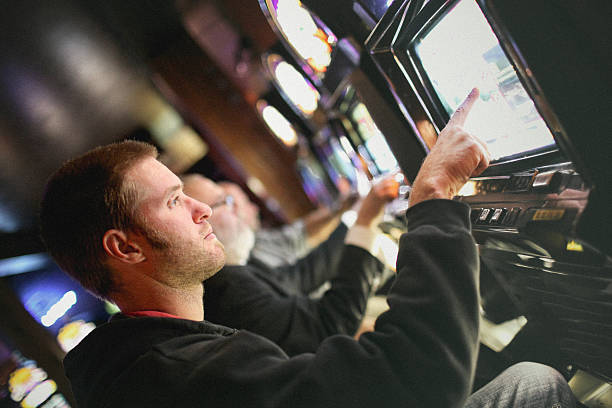
This misconception can have profound effects, as it encourages players to continue gambling even in the face of significant losses. The more a gambler believes they can control the game, the more they may invest time and money in an attempt to validate that belief. This can create a cycle where losses are rationalized as just temporary setbacks, leading to increased betting in hopes of a turnaround. Recognizing this trap is crucial for those who wish to gamble responsibly.
Understanding the illusion of control can empower gamblers to adopt a more analytical approach to their play. By acknowledging the role of chance, players can better manage their expectations and limit their gambling behavior. This awareness can foster healthier habits, reducing the risk of developing problematic gambling tendencies linked to the false belief in control.
The Gambler’s Fallacy
The gambler’s fallacy is another prevalent psychological trap that can lead to poor decision-making. This belief holds that past random events can influence future outcomes, leading players to make irrational choices based on the misconception that the odds will somehow ‘balance out.’ For example, if a roulette wheel lands on red several times in a row, a player might mistakenly believe that black is now ‘due’ to occur, despite each spin being an independent event. This fallacy can lead gamblers to chase losses or place larger bets, thinking they are correcting an imbalance.
This fallacy not only affects individual bets but can also skew overall gambling strategies. Gamblers who fall prey to this logic may engage in riskier behaviors, such as increasing their stakes or switching games in the hope of reversing their luck. Such actions can exacerbate financial loss and emotional distress, creating a vicious cycle of trying to recover losses through misguided beliefs about chance.
Addressing the gambler’s fallacy requires a fundamental shift in understanding probability and randomness. Educating gamblers about the independence of each gaming event can help reduce reliance on misconceptions. By fostering an appreciation for true odds and outcomes, players can be more cautious and deliberate in their gambling decisions, ultimately promoting a healthier approach to play.
The Sunk Cost Fallacy
The sunk cost fallacy is a psychological barrier that can hinder rational decision-making in gambling scenarios. This phenomenon occurs when individuals continue to invest in a gamble—whether through time, money, or emotional energy—based on what they have already lost rather than considering the potential future outcomes. For example, a player may keep betting on a losing streak because they have already invested a significant amount, reasoning that they cannot walk away without at least trying to recover their losses.
This trap can lead to escalating losses as players become emotionally tied to their investments. They may convince themselves that they are ‘close’ to winning or that luck will inevitably change, ignoring the reality of diminishing returns. Such thinking can spiral into compulsive behavior, with individuals chasing their losses and extending their gambling sessions well beyond their planned limits.
Overcoming the sunk cost fallacy involves a mindset shift towards recognizing losses as part of the gaming experience. Understanding that additional investments are not justified by past expenditures can empower players to make more logical choices. Implementing strategies like setting loss limits or predetermined stopping points can aid in breaking free from this fallacy, fostering a more rational approach to gambling.
The Role of Near Misses
Near misses play a significant role in gambling behavior, acting as psychological triggers that can reinforce continued play. A near miss occurs when a player nearly wins but ultimately does not achieve the desired outcome, such as coming close to hitting a jackpot. These experiences can be thrilling and lead to a heightened sense of excitement, creating a false sense of achievement that can entice players to gamble more. The thrill of almost winning can overshadow the reality of losing, making it difficult for players to walk away.
This psychological reinforcement can lead to an increased frequency of play, as the anticipation of a near miss can create a compulsion to chase that ‘big win.’ Gamblers may perceive these moments as indicators that they are ‘due’ for a win, further entrenching them in their gambling habits. The excitement generated by near misses can mask the underlying losses, making it essential for players to recognize how these moments can skew their perception of success.
To mitigate the impact of near misses, gamblers can benefit from understanding their psychological effects and implementing strategies to counteract them. Maintaining a clear distinction between actual wins and near misses can help reinforce responsible gaming behavior. By cultivating awareness of how these experiences affect their play, gamblers can make more informed decisions and reduce the risk of developing harmful gambling patterns.

Visit Our Website for More Insights
Our website offers a comprehensive resource for understanding gambling behavior and the psychological traps that can ensnare even the most cautious players. We delve into the intricacies of gambling psychology, providing valuable information that can help players recognize and navigate the common pitfalls associated with gambling. Whether you are a seasoned player or new to the scene, our insights aim to promote informed decisions and responsible gambling practices.
By exploring our articles and resources, you can learn more about managing your gambling behavior and understanding the psychological elements at play. Our expert analysis and real-world examples can help you develop a more conscious approach to gambling, enhancing your overall experience while minimizing risks. We encourage all players to visit our website and empower themselves with knowledge that can lead to safer gaming practices.